

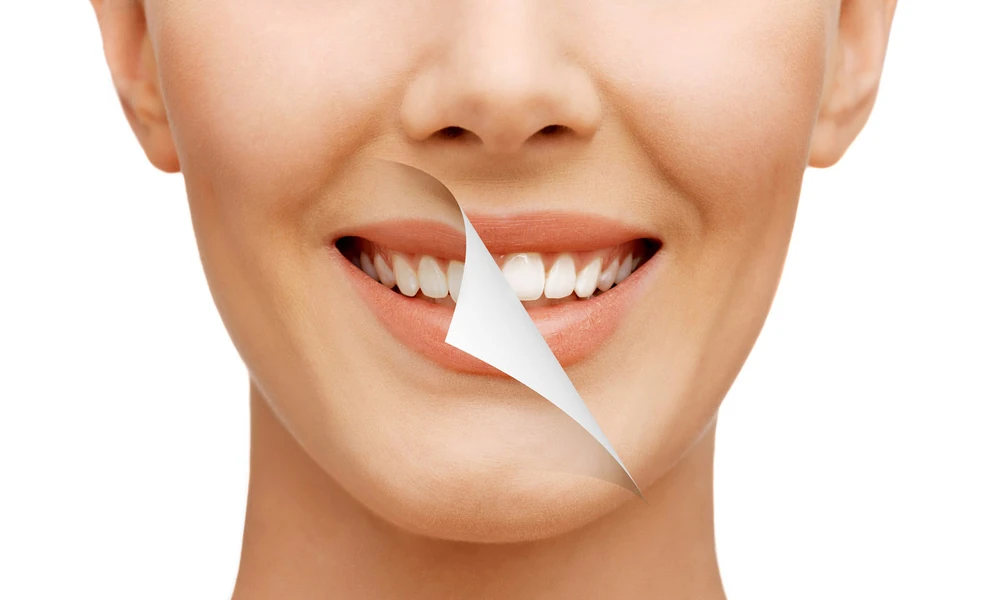
You may have looked at a photo of yourself and known something feels off, even if you cannot name it. Maybe one tooth draws your eye, your smile looks flat, or your gums show more than you want. That feeling is common, and many people seek local dental care for patients in Edmond, OK. Most people are not asking for a perfect smile. They want one that looks like it belongs to them, fits their face, and does not announce that dental work was done.
That is where smile design gets more thoughtful than people expect. A natural result is not built from tooth color alone, and it is not about making every tooth identical. A natural smile design depends on balance, proportion, gum health, and how your teeth work when you speak and bite. A skilled general and cosmetic dentist studies a set of features together, because fixing one detail without the others can leave a smile looking artificial.
Natural looking smile design starts with facial balance
Dentists do not design teeth in isolation. They look at your face shape, lip movement, skin tone, and the way your smile sits at rest and in motion. Teeth that look great on a model in an ad can look too long, too white, or too square on someone else. You see this sometimes with veneers that appear bulky or bright because they were chosen without enough attention to the person wearing them.
Facial symmetry matters, but perfect symmetry is not the goal. Real smiles have small differences that make them believable. A dentist often studies the centerline of your face, the curve of your lips, and how much tooth shows when you talk. Those small observations help create a result that feels natural instead of copied.
Tooth proportion shapes a smile that looks believable
Tooth size and width affect how youthful and balanced your smile appears. Front teeth that are too long can look harsh. Teeth that are too short can make the smile seem worn down or hidden. If one front tooth is wider than the other, your eye catches it right away, even if the difference is small.
This is one reason cosmetic planning often includes photographs, digital previews, or mockups. A dentist may recommend reshaping, bonding, veneers, or crowns, but the goal stays the same. The teeth need to fit each other and fit you. Smile aesthetics in dentistry comes down to proportion as much as color.
Tooth color has to match age, tone, and surrounding teeth
Very white teeth are not always attractive. They can look flat and fake, especially when they do not match your complexion or the rest of your mouth. Natural teeth have variation. They reflect light differently at the edges than they do near the gumline, and younger teeth often look brighter than older teeth.
A dentist designing a natural looking smile pays attention to shade, translucency, and texture. This matters even more when you are restoring one or two teeth. A single crown that is too opaque can stand out every time you smile. Research on dental esthetics has shown that people notice differences in tooth display, symmetry, and shade more than many expect, which is why detail matters in cosmetic planning. You can read more in this review of smile esthetics factors.
Gum contours frame the teeth and change the whole result
Gums are often ignored until they become the reason a smile still does not look right after whitening or veneers. Uneven gumlines can make teeth appear crooked or different lengths even when the teeth themselves are healthy. Excess gum display can also pull attention away from the teeth.
Healthy gums are part of cosmetic success, not separate from it. If inflammation, recession, or gum disease is present, appearance and stability both suffer. The National Institute of Dental and Craniofacial Research explains how gum disease affects oral health, and that matters here because swollen or receding gums can change the frame around every tooth.
Alignment and spacing affect more than straightness
Many people think smile design means whitening and veneers, but alignment is often the feature doing the heavy lifting. Slight crowding, small gaps, rotations, and bite shifts can make even bright, healthy teeth look uneven. In some cases, moving teeth first with clear aligners creates a better and more conservative result than covering everything with restorations.
This is where a cosmetic dentist has to be honest with you. If the teeth are not in a workable position, placing veneers on top may create bulk or compromise the bite. A better plan may take longer, but it protects both looks and function.
The smile line and lip line decide how much tooth shows
Your smile line is the curve formed by the edges of your upper teeth. Your lip line is how your upper lip rises when you smile. When these two features work together, the smile looks soft and natural. When they do not, the smile can appear flat, heavy, or too exposed.
This becomes clear in real life, not just in photos. Some people show a lot of teeth when they smile and almost none when they speak. Others show more gum on one side than the other. A dentist planning a cosmetic dentist smile makeover watches these movements because static pictures do not tell the whole story.
Bite function keeps a beautiful smile from failing early
A smile can look great on day one and still fail if the bite is ignored. Clenching, grinding, edge to edge contact, and uneven pressure can chip bonding, crack porcelain, and wear down new work fast. This is one of the biggest reasons cosmetic dentistry has to include a functional exam.
If you wake up with jaw tension, headaches, or worn teeth, that history matters. The most natural looking smile is one that also feels comfortable and holds up when you chew, laugh, and live with it every day.
Common smile design options compared
| Option | Best For | Main Benefit | Potential Limitation |
|---|---|---|---|
| Teeth whitening | Overall discoloration | Fast brightness improvement | Does not fix shape, spacing, or gum issues |
| Bonding | Small chips, gaps, uneven edges | Conservative and often lower cost | Can stain or wear faster than porcelain |
| Veneers | Shape, color, and moderate spacing concerns | Strong cosmetic change with natural detail | Needs careful planning to avoid a bulky look |
| Clear aligners | Crowding, spacing, minor bite issues | Improves position before cosmetic work | Takes time and depends on patient compliance |
| Gum contouring | Uneven gumline or excess gum display | Improves tooth proportions quickly | Not appropriate until gum health is assessed |
Three steps you can take before choosing cosmetic treatment
Ask for a full smile evaluation. Do not focus only on the tooth that bothers you most. Ask your dentist to assess tooth size, gum levels, bite, alignment, and how your smile looks in motion. A quick fix can miss the reason the smile feels off.
Bring real photos of yourself. Photos from different ages can show what looked natural on your face before wear, shifting, or discoloration changed things. This gives your dentist a better guide than a celebrity reference photo.
Start with health before cosmetics. If you have bleeding gums, grinding, decay, or broken fillings, treat those first. Cosmetic dentistry lasts longer and looks better when the foundation is healthy.
A natural smile is rarely about one feature. It is the result of several small decisions made well, with attention to your face, your bite, and your goals. If your smile has started to bother you, you are not being vain. You are noticing details that affect how you feel every day. The right general and cosmetic dentist can help you sort out what is actually needed and what will look like you, only more at ease when you smile.
