

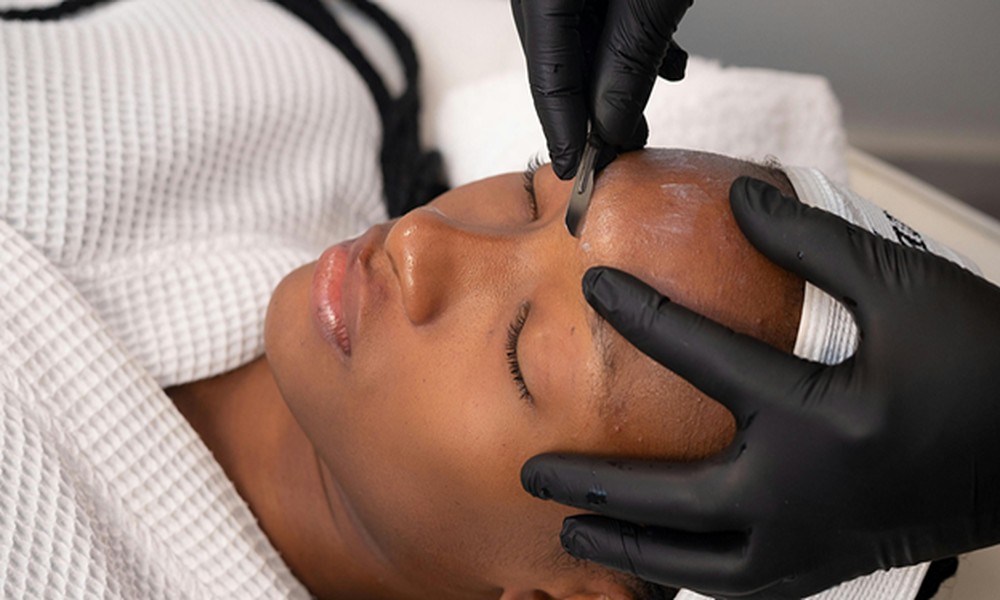
It is easy to treat our skin like an adversary when it acts up. When breakouts appear, texture turns rough, or a dull patch lingers, our immediate instinct is often to scrub harder, apply stronger acids, or layer on aggressive spot treatments. But more often than not, a chaotic complexion isn’t asking for a harsher assault-it is crying out for protection.
Your skin is wrapped in a microscopic outer shield known as the stratum corneum, or the skin barrier. Composed of lipids, cholesterol, and ceramides that hold your skin cells together like mortar between bricks, this barrier has two critical jobs: keep essential moisture locked in and keep environmental irritants, bacteria, and allergens locked out.
When this shield is compromised-frequently by over-exfoliation, harsh weather, or incorrect product usage-your skin enters a state of crisis. Moisture rapidly evaporates, leading to redness, flaking, a persistent tight feeling, and a stinging sensation when applying even basic moisturizers.
If your skin barrier is in distress, hitting the reset button is essential. Here are six non-negotiable rules to heal, repair, and rebuild your skin’s natural defenses.
1. Strip Your Routine Down to the Absolute Basics
When your barrier is damaged, your skin lose its ability to defend itself against external ingredients. Layering multiple serums, toners, and treatments onto compromised skin only fuels the fire of irritation.
The first step in barrier rehabilitation is an immediate skincare fast. Put away all active ingredients, including retinoids, alpha-hydroxy acids (AHAs) like glycolic or lactic acid, beta-hydroxy acids (BHAs) like salicylic acid, and strong vitamin C serums. For the next two to four weeks, your routine should consist of only three things: a gentle cleanser, a deeply restorative moisturizer, and a mineral sunscreen.
2. Ditch the Foams and Scrubs for Cream-Based Cleansers
Cleansing is the step where most barrier damage occurs. Squeaky-clean skin is actually stripped skin. If your face feels tight or dry immediately after washing, your cleanser is actively dismantling your lipid shield.
Switch out foaming, gel, or acne-targeting cleansers for a sulfate-free, non-stripping cream or milk cleanser. These formulas clean the skin without dissolving the essential lipids your barrier needs to repair itself. Additionally, completely banish physical scrubs, facial brushes, and washcloths. Wash using only lukewarm water and your fingertips, as hot water and friction further disrupt fragile cell structures.
3. Flooding Your Skin with Ceramides and Fatty Acids
To rebuild a broken wall, you need the right raw materials. Because a damaged barrier is physically missing the lipids that hold it together, you must topically replenish them.
Look for a rich moisturizer explicitly formulated with a “barrier-repair” profile. The golden trio of ingredients to look for includes ceramides, cholesterol, and free fatty acids. Ceramides are particularly crucial, as they make up roughly 50% of your skin’s outer composition. Applying a cream packed with these lipids acts like applying a temporary patch over the microscopic cracks in your skin, trapping moisture and giving the underlying tissue a safe environment to heal.
4. Incorporate Humectants to Combat Dehydration
A broken barrier suffers from intense transepidermal water loss, meaning moisture continuously evaporates into the air. To counteract this, your skin needs humectants-water-loving molecules that act like microscopic sponges, pulling moisture into the upper layers of the tissue.
Look for ingredients like hyaluronic acid, glycerin, panthenol (Vitamin B5), and allantoin. For best results, apply your humectant serum or moisturizer onto slightly damp skin. This allows the ingredients to bind to the surface water and pull it directly into the skin cells, instantly relieving that deep, uncomfortable tightness.
5. Lock Everything In with an Occlusive Layer at Night
During the overnight repair cycle, your skin is particularly vulnerable to water loss. To speed up the healing process, consider utilizing a technique known as “slugging” or applying a thin, protective occlusive layer as the final step of your nighttime routine.
Ointments containing petrolatum, squalane, or shea butter do not absorb into the skin; instead, they sit flat on top of it, creating an artificial, breathable seal. This physical canopy blocks moisture from escaping, mimicking a fully functioning skin barrier and drastically accelerating tissue recovery while you sleep. Note: Only use occlusives on a clean, basic routine free of active ingredients to avoid trapping irritation.
6. Lean Heavily on Mineral Sunscreen
UV radiation generates free radicals that cause oxidative stress, which actively stalls cellular repair and degrades lipid bonds. When your barrier is thin and compromised, solar damage is amplified exponentially.
Daily sun protection is entirely mandatory during recovery, but the type of sunscreen matters. Chemical sun filters can sometimes cause a warming or stinging sensation on an inflamed skin barrier. Opt instead for a broad-spectrum mineral (physical) sunscreen utilizing zinc oxide or titanium dioxide. Zinc oxide is inherently anti-inflammatory and soothing, serving double duty as a sun shield and a calming agent for irritated skin.
A lightly compromised skin barrier can generally repair itself within two to four weeks of dedicated, gentle care. However, if your skin remains persistently raw, intensely red, or if you are struggling with a sudden surge of cystic acne or suspected eczema, home care may not be enough to turn the tide.
When your skin’s defense systems are down, working with a specialist can help you pinpoint the exact cause of the damage and provide prescription-grade, anti-inflammatory support. Partnering with a dedicated dermatology clinic in New York will give you access to customized clinical evaluations and targeted therapies, helping you bypass the trial-and-error phase and guiding your skin smoothly back to a resilient, healthy glow.
