

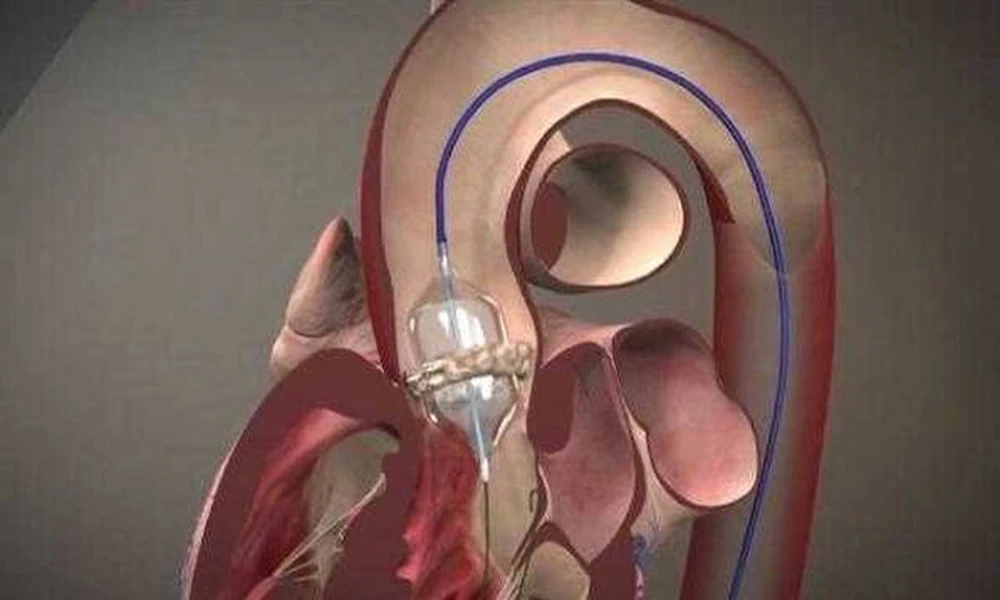
Most heart problems can begin with a standard cardiology consultation. Chest pain may need coronary evaluation. High blood pressure may require medication and follow-up. An irregular heartbeat may need rhythm testing. Heart valve disease, however, can become unusually complex when several treatment options are possible and the timing of intervention is uncertain.
A dedicated heart valve clinic brings together the specialists, imaging and treatment pathways needed to manage that complexity. The difference is not that general cardiology becomes less important. It is that valve disease often benefits from a more focused, multidisciplinary structure.
Valve Disease Requires More Than One Type of Expertise
A valve problem is rarely just an abnormal structure seen on a scan. Doctors need to understand how severe it is, whether it is causing symptoms, how it affects heart function and which treatment option is likely to provide the best long-term result.
A dedicated heart valve clinic in Mumbai may involve general cardiologists, structural interventional cardiologists, cardiac surgeons, echocardiography specialists, CT imaging experts, anaesthesiologists and heart-failure clinicians.
Advanced Imaging Is Central to Valve Care
Echocardiography is the foundation of heart-valve diagnosis. It shows how the leaflets move, how blood flows through the valve and how the heart chambers are responding.
Complex cases may require transoesophageal echocardiography, 3D imaging or cardiac CT. TAVI planning, for example, requires precise CT measurements of the aortic annulus, coronary arteries and access vessels.
Mitral interventions require detailed assessment of leaflet anatomy, regurgitant jets, valve area and the relationship between the valve and surrounding structures.
A valve clinic should not only have access to advanced imaging but also clinicians experienced in interpreting it for procedural decisions.
The Heart Team Compares Treatment Options
One of the major advantages of specialised valve care is the Heart Team model.
A patient with severe aortic stenosis may be suitable for surgery or TAVI. The best option depends on age, anatomy, surgical risk, life expectancy, coronary disease and future treatment needs.
A patient with severe mitral regurgitation may be considered for surgical repair, replacement, TEER or continued medical therapy depending on the cause of the leak and the condition of the heart.
The Heart Team is designed to compare these possibilities rather than assume that every patient should receive the same treatment.
Specialised Catheter-Based Procedures
Modern valve care includes an expanding range of transcatheter treatments. Patients who are unsuitable for open-heart surgery may now have options that were not available in the past.
TAVI in Mumbai can replace a severely narrowed aortic valve through a catheter in appropriately selected patients. TEER can reduce mitral regurgitation by bringing valve leaflets together using devices such as MitraClip.
Other patients may be evaluated for valve-in-valve procedures, transcatheter mitral interventions or treatments for tricuspid valve disease.
Surgery Remains an Essential Part of the Clinic
A valve clinic should not be defined only by minimally invasive procedures. Cardiac surgery remains the preferred treatment in many situations.
A younger patient with repairable degenerative mitral regurgitation may benefit from surgical repair. A patient with severe aortic stenosis who also needs bypass surgery may be better served by an operation that addresses both problems.
Having surgical expertise within the same decision-making structure helps ensure that catheter treatment is recommended because it fits the patient, not simply because it is available.
Second Opinions for Complex Cases
Patients are often referred to valve centres after being told that surgery is too risky, that only surgery is possible or that a previous valve treatment has started to fail.
A specialised team can review the original diagnosis, imaging and treatment recommendation from a fresh perspective.
Sometimes the original plan remains the most appropriate. In other cases, advanced imaging or newer transcatheter options may reveal another pathway.
Second opinions are particularly useful when the treatment decision is irreversible or when several reasonable strategies exist.
Care Before the Procedure
A valve clinic coordinates pre-procedure assessment. This may include blood tests, ECG, coronary evaluation, CT imaging, transoesophageal echocardiography and assessment of kidney function, frailty and other medical conditions.
The purpose is not simply to complete a checklist. Each test affects treatment planning.
For TAVI, CT determines valve size and access route. For TEER, echocardiography determines whether the leaflets can be safely grasped. For surgery, coronary disease or another valve problem may change the operative plan.
Follow-Up After Treatment
Valve care continues after the intervention. Patients need clinical review, echocardiography, medication management and monitoring for new symptoms.
A clinic that follows patients over time can compare post-treatment results with the original imaging and detect changes in valve function before they become advanced.
For patients treated with MitraClip in Mumbai, follow-up also includes management of the underlying heart condition, especially when regurgitation was secondary to heart failure.
Education and Shared Decision-Making
A dedicated valve service should help patients understand why treatment is being recommended and what alternatives exist.
Patients should know what happens if treatment is delayed, what recovery is likely to involve, which complications matter and how the chosen procedure may affect future options.
Shared decision-making is particularly important in older adults and patients with several medical conditions, where treatment goals may include independence, symptom relief and quality of life as well as longevity.
The Bottom Line
A dedicated heart valve clinic differs from general cardiac care mainly in its concentration of valve-specific expertise and its multidisciplinary decision-making model.
Advanced imaging, cardiac surgery, structural intervention, heart-failure care and long-term follow-up are connected within one pathway. This helps the team decide not only how to perform a procedure, but whether a procedure is needed, when it should happen and which approach best fits the patient.
For complex valve disease, that coordination can be as important as the procedure itself. The aim is to give patients access to the full range of reasonable options and a treatment plan built around their anatomy, health and long-term cardiac needs.
