

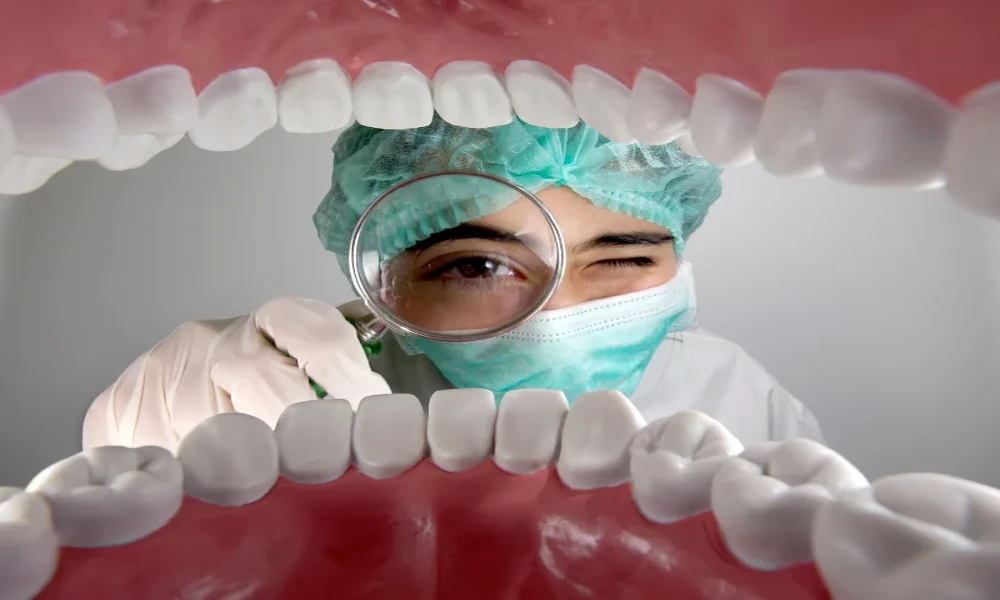
You sit down for a routine dental visit expecting the usual cleaning, a quick look at your teeth, maybe a reminder to floss more. Then your dentist says they are doing an oral cancer screening too, and your mind can jump straight to worry. That reaction is normal. Most people do not know what happens during this part of the exam, which makes it feel bigger and scarier than it is. Some patients also ask about cosmetic treatments for a brighter smile in Scarsdale during the same visit.
An oral cancer screening is a brief check of the tissues in and around your mouth. Your dentist is looking for changes that do not belong there, such as sores, lumps, red or white patches, and areas that feel firm or tender. The goal is simple. Find problems early, before they become harder to treat. According to the National Institute of Dental and Craniofacial Research’s oral cancer exam overview, this exam is a routine part of dental care for many patients.
Dentists look for visible changes in the soft tissues of your mouth
One of the first things a general dentist checks is the lining of your cheeks, lips, gums, and the roof and floor of your mouth. They are looking for areas that seem off in color or texture. A white patch may be harmless friction. A red patch may be irritation. A sore that does not heal can be a sign that needs closer attention.
This matters because early mouth cancers often do not cause pain. You can feel completely fine and still have a spot that deserves a second look. That is why oral cancer screening is based on what your dentist sees, not just what you feel.
Dentists examine your tongue from more than one angle
Your tongue gets a careful exam because it is a common place for abnormal tissue changes. Your dentist may look at the top, sides, and underside of the tongue. The sides of the tongue are especially important because some concerning lesions show up there first.
If you have ever had a canker sore that made eating miserable, you know how much a small mouth problem can affect your day. The harder part is that some serious changes do not hurt the same way. A patch that stays, thickened tissue, or a sore edge can be easy to miss on your own.
Dentists feel for lumps or firm areas in the mouth and jaw
The exam is not only visual. Your dentist may use gloved fingers to gently feel parts of your mouth, jaw, and the floor of your mouth. They are checking for lumps, swelling, or tissue that feels firmer than it should.
This hands-on part can catch things that are not obvious in a mirror. A growth under the surface may not change the color of the tissue right away. It may only feel different. That is one reason a mouth cancer screening done by a trained professional adds value beyond a quick self-check at home.
Dentists check your neck and lymph nodes for swelling
Your dentist may also feel along your neck and under your jaw. Swollen or enlarged lymph nodes can happen for many reasons, including a cold or dental infection, but they can also be part of a bigger picture when paired with unusual oral findings.
You do not need to panic if your dentist pauses here. This is a standard part of a careful exam. They are gathering clues, not jumping to conclusions.
Dentists note red patches, white patches, and mixed-color lesions
Color changes matter. White patches, called leukoplakia, and red patches, called erythroplakia, can sometimes signal tissue changes that need testing or follow-up. Mixed red and white areas can also raise concern.
The reason dentists pay close attention to these spots is that they can look minor at first. A patient may assume it is from hot food, cheek biting, or a rough tooth. Sometimes that is true. Sometimes it is not. If a patch stays after the source of irritation is removed, your dentist may recommend watching it closely or referring you to a specialist.
Dentists assess sores that do not heal and unexplained bleeding
A sore that lasts longer than two weeks stands out during an oral cancer exam. The same goes for unexplained bleeding, crusted areas, or ulcer-like spots that keep returning. A one-time irritation from a sharp chip in a tooth is one thing. A sore that lingers without a clear cause deserves attention.
The National Cancer Institute’s oral screening information explains that screening aims to spot suspicious changes early, even though not every abnormal area turns out to be cancer. That distinction matters. Screening is about catching risk, not making assumptions.
Dentists ask about symptoms that change how the screening is interpreted
Your dentist is also checking what you tell them. Trouble swallowing, numbness, a feeling that something is stuck in your throat, hoarseness, ear pain without an ear problem, or a bite that suddenly feels different can all add context. The tissue exam and your symptoms work together.
If you smoke, use chewing tobacco, drink heavily, have a history of HPV exposure, or have had oral lesions before, your dentist may be even more alert to small changes. That does not mean something is wrong. It means your screening is being interpreted with your real risk factors in mind, which is exactly what you want from a good general dentist.
What dentists check during an oral cancer screening compared with what patients often notice
| What the dentist checks | What patients often notice at home | Why it matters |
|---|---|---|
| Red or white patches | A spot that seems minor or painless | Some early tissue changes do not hurt |
| Sides and underside of the tongue | Usually not checked closely | High-risk areas are easy to miss |
| Lumps under the tissue | No visible change | Abnormal areas can be felt before they are seen |
| Neck and lymph nodes | Swelling blamed on illness | Helps connect oral findings to the bigger picture |
| Sores lasting more than two weeks | Assumed to be a stubborn canker sore | Healing time helps separate irritation from concern |
Simple steps you can take after learning about oral cancer screening
Pay attention to anything that lasts. If you notice a sore, patch, lump, or area of pain that stays for more than two weeks, schedule a dental visit. Time matters more than guesswork.
Know your own risk factors. Tobacco use, heavy alcohol use, sun exposure on the lips, and HPV can all raise risk. When you know what applies to you, regular screening feels less random and more like smart prevention.
Ask for the screening if it is not mentioned. A routine dental visit is the right time to bring it up. A simple request for a screening for oral cancer can start the conversation and give you peace of mind.
Most oral cancer screenings are quick, painless, and part of good routine care. If your dentist finds something unusual, that does not mean the worst. It means you caught a change early enough to look at it properly. That is the whole point. If you are due for a checkup, schedule a visit with a general dentist and ask for an oral cancer screening as part of your exam.
