

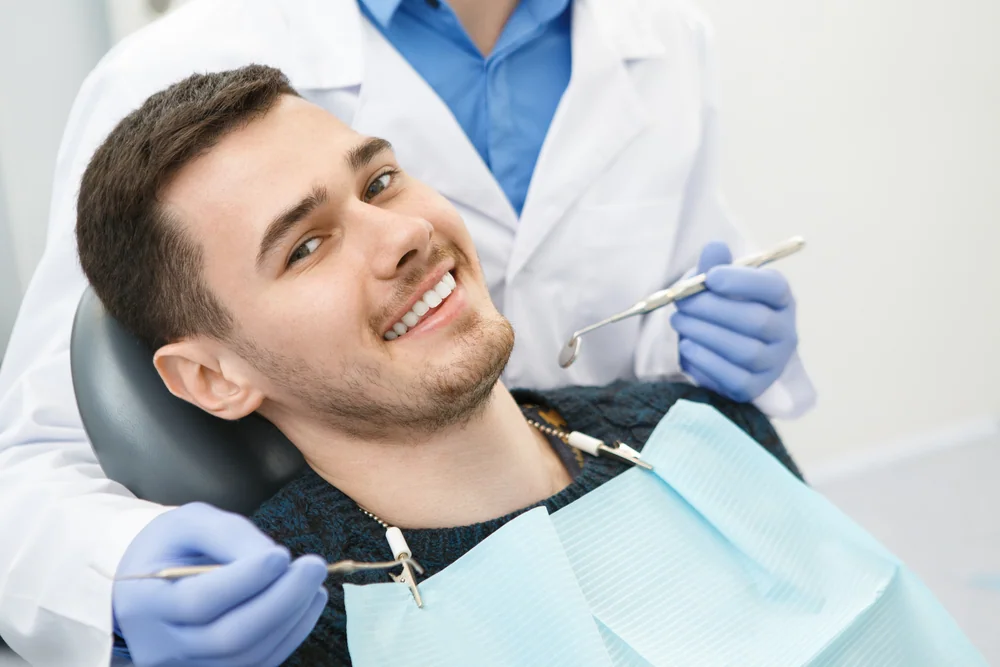
You might be brushing, flossing when you can, and trying to keep up with routine visits, yet still wonder if something could be missed. That worry is more common than people admit. Many dental problems start quietly, with little or no pain, and by the time they become obvious, treatment can be harder, longer, and more expensive. That is why regular oral health screenings matter so much in general care, and a Waseca, MN dentist can help identify concerns early. They do more than look for cavities. They can help spot gum disease, signs of infection, bite issues, and even changes in the soft tissues of the mouth that need closer attention.
If you have ever thought, “My teeth feel fine, so do I really need more than a quick cleaning?” the short answer is yes. A careful exam gives your general dentist a fuller picture of your oral health now, and it helps catch small issues before they grow into bigger ones. In simple terms, these visits protect your comfort, your time, and often your budget too.
Why can a full dental screening matter even when nothing hurts?
Pain is not always the first sign of trouble. Tooth decay can begin in places you cannot easily see, such as between teeth or under old fillings. Gum disease can cause mild bleeding that feels easy to ignore until gums start to pull back or teeth begin to loosen. According to the National Institute of Dental and Craniofacial Research, dental caries remains one of the most common oral health concerns, which helps explain why early detection matters so much.
Because of this, a strong screening process is not just a quick glance. It often includes checking the teeth, gums, tongue, cheeks, bite, jaw, and existing dental work. A provider may also review your health history, because conditions like diabetes, dry mouth, reflux, and certain medicines can affect your mouth in ways that are easy to miss on your own.
So, where does that leave you? It means a thorough oral exam is not about looking for one problem. It is about connecting small clues before they turn into major treatment needs.
What can a general dentist find during oral cancer and dental screenings?
Many people think a dental visit starts and ends with cavities. In reality, a general dentist may screen for far more than that. During a routine exam, they can look for decay, cracked teeth, gum inflammation, plaque buildup, worn enamel, infection, jaw strain, and suspicious tissue changes. MedlinePlus explains what is typically involved in a dental exam, and it shows just how much information can come from a careful checkup.
One area that deserves special attention is oral cancer screening. Changes in the mouth, throat, lips, or tongue do not always cause pain at first. A screening does not diagnose cancer by itself, but it can identify areas that need more testing. The National Cancer Institute outlines how oral screening may help detect abnormal changes that should not be ignored.
What if you skip these visits for a year or two because life gets busy? A small cavity may become a root canal. Mild gingivitis may become deeper gum disease. A sore spot you thought would fade may linger longer than it should. That is the real cost of waiting. It is not just money. It is stress, time, discomfort, and the feeling that the problem got ahead of you.
How do regular oral health screenings compare to waiting for symptoms?
Sometimes the easiest way to understand the value of screening is to compare it with the wait and see approach. Here is what that can look like in real life.
| Approach | What usually happens | Possible result |
|---|---|---|
| Routine screening with a general dentist | Early signs of decay, gum irritation, wear, or tissue changes are found sooner | Smaller treatments, closer monitoring, and fewer surprises |
| Waiting until pain starts | Problems may stay hidden until infection, fracture, or swelling develops | More complex care, higher costs, and more missed time |
| Only focusing on visible teeth | Soft tissue, bite issues, and gum health may get less attention | Important warning signs can be overlooked |
This is why oral screenings in general care deserve more attention than they often get. They are not extra. They are part of basic prevention. They help you stay ahead of disease instead of reacting to it later.
What can you do right now to protect your oral health?
- Schedule routine exams before something feels urgent.
If it has been a while, that is okay. The key is to restart. A regular visit gives your dentist a baseline, which makes it easier to notice changes over time. This is one of the simplest ways to support early detection and steadier dental health.
- Pay attention to small changes and mention them clearly.
Bleeding when you brush, bad breath that does not go away, a rough patch, tooth sensitivity, jaw clicking, or a sore that lingers all deserve a mention. These details may seem minor to you, but they can guide a more useful exam.
- Treat home care as support, not a substitute.
Brushing, flossing, and watching your diet matter a great deal, but they do not replace a professional screening. You can do many things right at home and still have hidden decay, early gum disease, or tissue changes that need trained eyes.
When you think about prevention, what is the real takeaway?
The importance of comprehensive oral screenings in general care comes down to one simple truth. Problems found early are usually easier to manage. A careful exam can protect more than your teeth. It can protect your comfort, your confidence, and your peace of mind. If you have been putting off a visit because nothing seems wrong, that may be the best reason to go now. Prevention works best before a problem demands your attention.
A trusted general dentist can help you understand where things stand and what to watch next, without making the process feel overwhelming. Taking that first step now can spare you a lot later.
